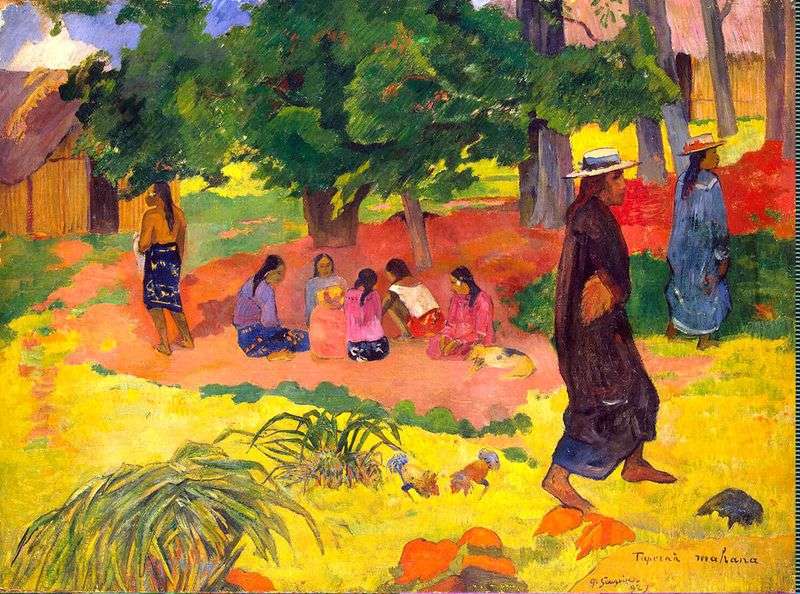
The painting “Early Evening” was written by Gauguin during the artist’s move to the islands of Oceania. It, like many canvases of that period, reflects the way of life of
Gauguin Paul
The painting “Early Evening” was written by Gauguin during the artist’s move to the islands of Oceania. It, like many canvases of that period, reflects the way of life of
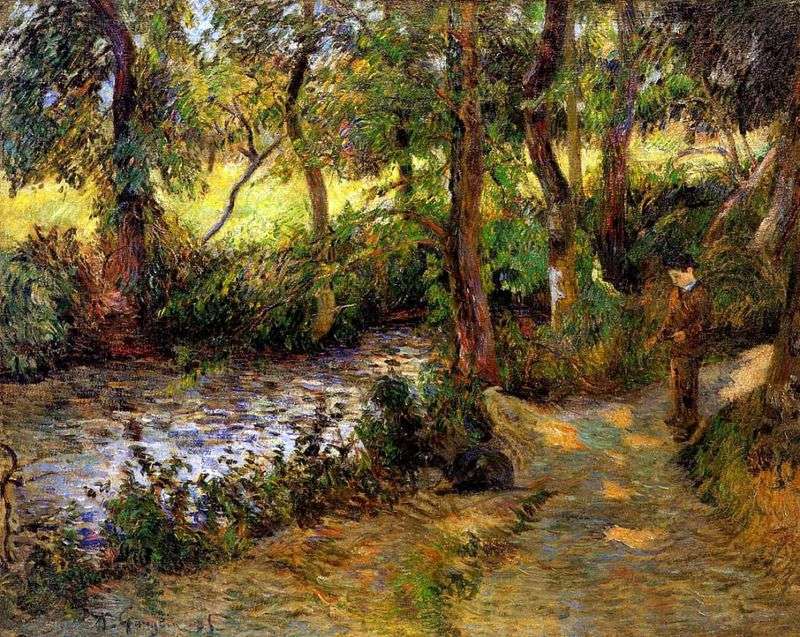
How many interesting things have we learned about water in the most recent time! Especially thanks to the film “The Great Mystery of Water”. However, even ancient Sumerians firmly knew:
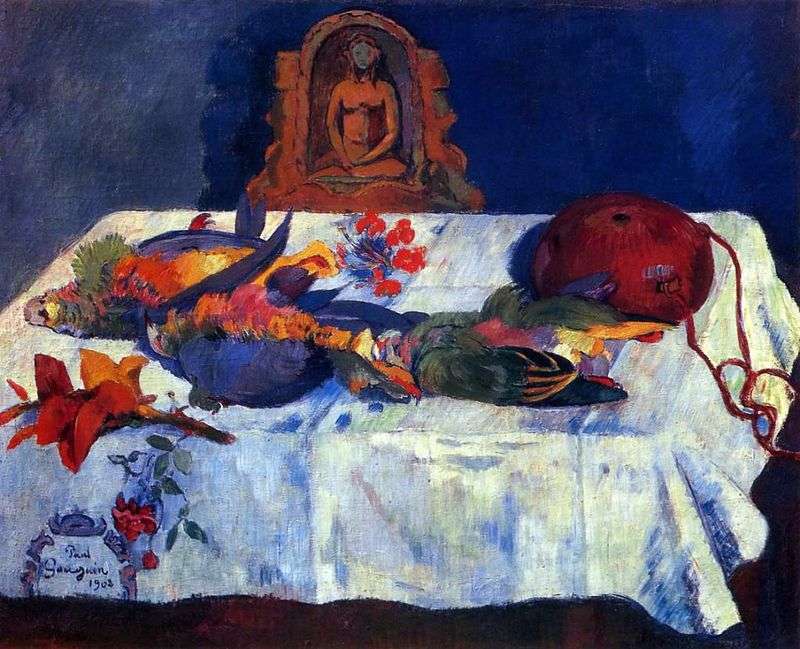
Parrot… A bird, as if created to please the eye, to amuse and entertain the onlooker with the imitation of human speech, an overseas miracle. And how shocking the image
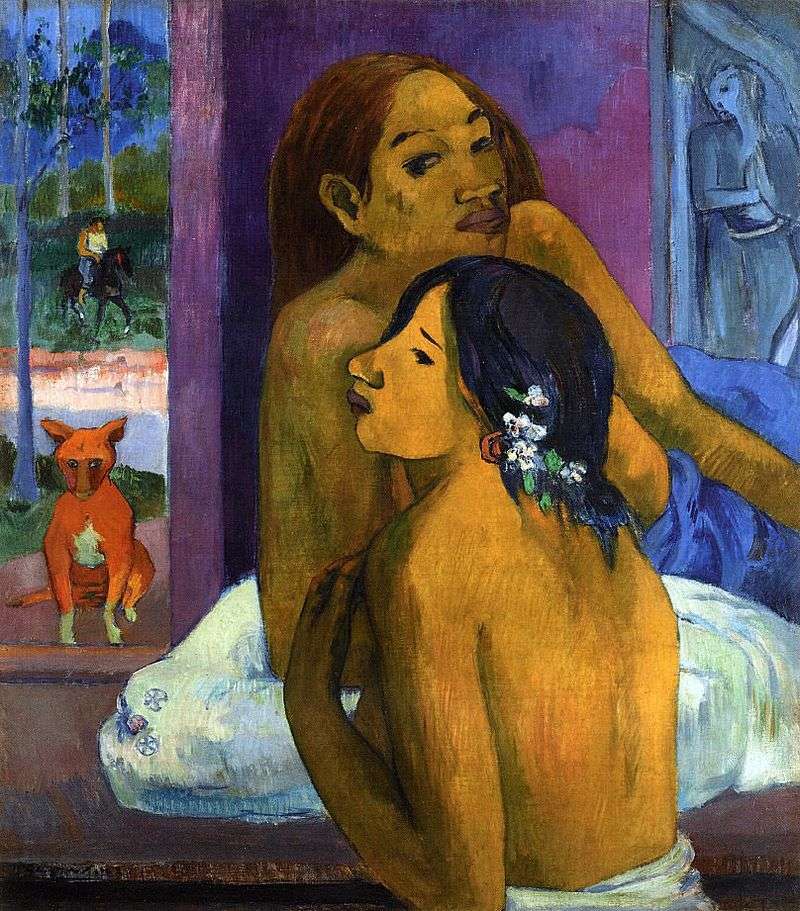
Someone witty and aptly noticed that the artist all his life, in fact, is writing the same book, only slightly varying it. After Paul Gauguin decided to break with the
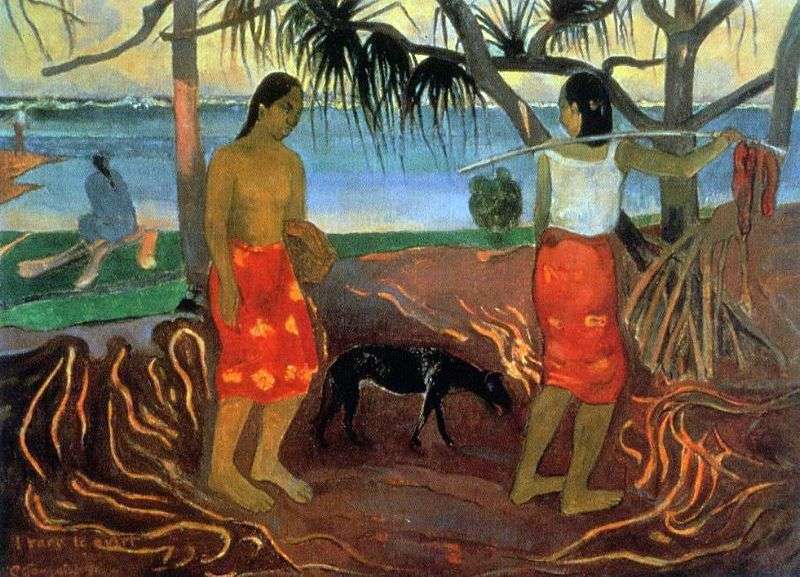
… Only under the sky of saving firmament Met in a sea of crazy Hardly noticeable almost forgotten Little island named Happiness… S. Trofimov. “Under the pandanova tree” – a
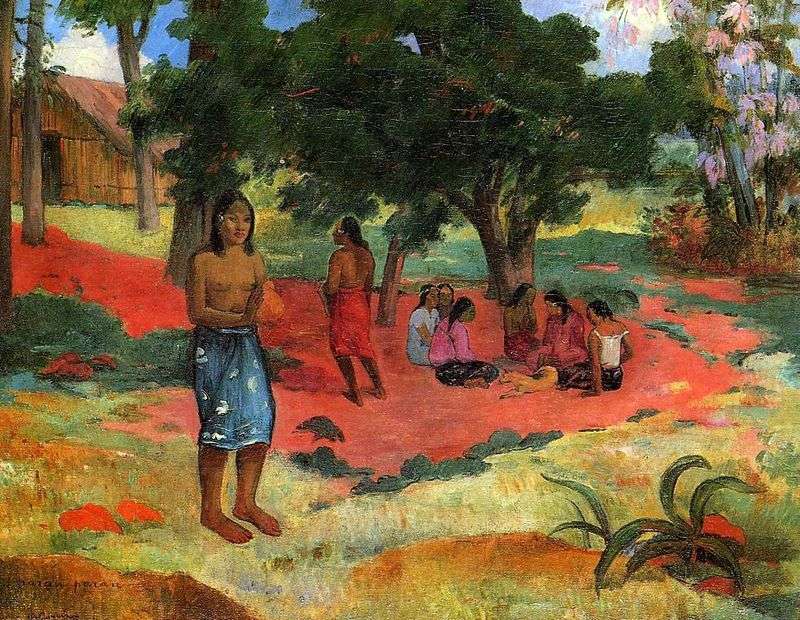
… A moment is a song of a whisper, Enchanted by history. The moment is you… I. Luzan, “The Moment” The picturesque canvas in the performance of the great Gauguin
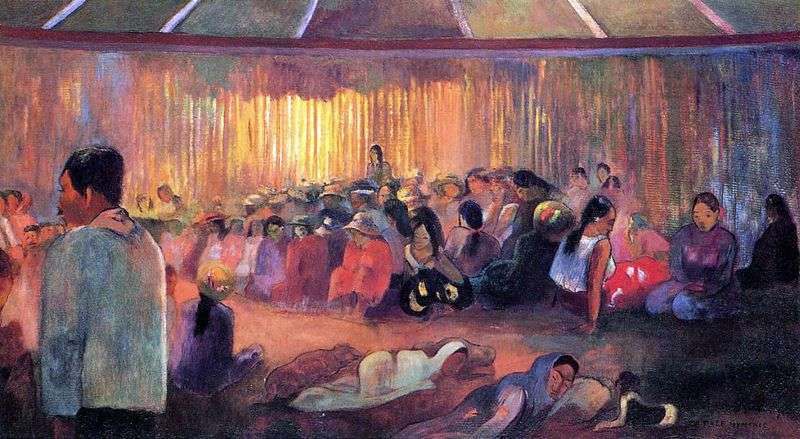
Paul Gauguin wrote an amazing canvas “House of the Hymns” in 1892, becoming finally an islander, leaving France. The work was included in the numerous collection of the second Tahitian

When Will You Marry – painting by Paul Gauguin, written by the artist in Tahiti in 1892. Over half a century belonged to the family of Rudolf stechlin, was exhibited
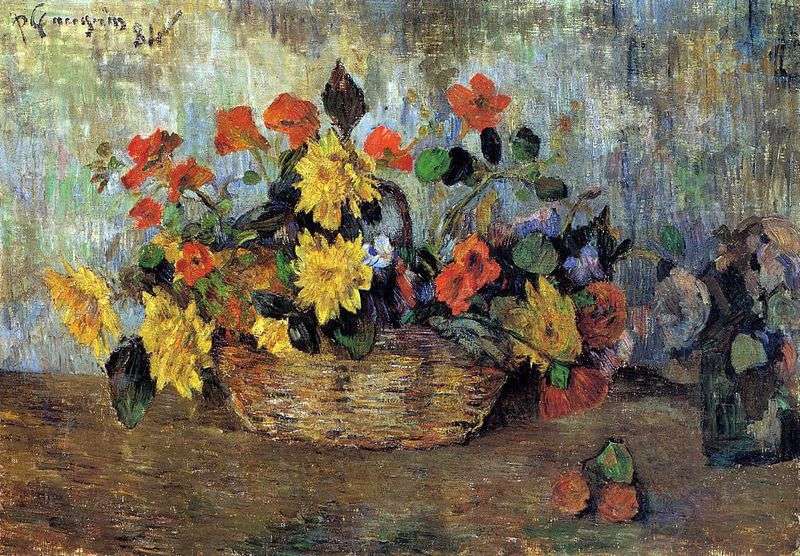
Consistently embodying the covenants of his teacher Pissarro, the artist conveys in this picture, written in 1884, the entire complexity of the composition. Dahlias and nasturtiums carefully painted by the
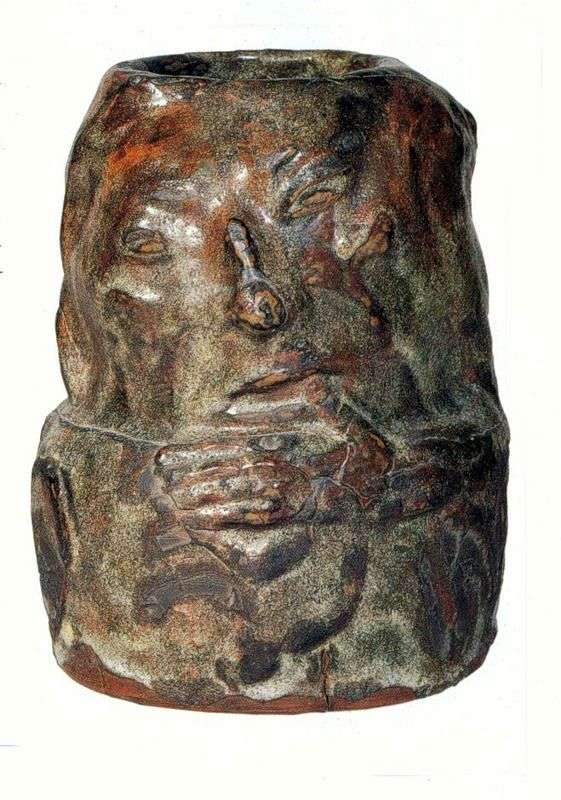
Working in collaboration with one of the leading ceramics masters, Ernest Chapelle, Gauguin decorated the ceramic vase with Breton scenes anticipating his late, synthetic style. Soon, in the same technique,
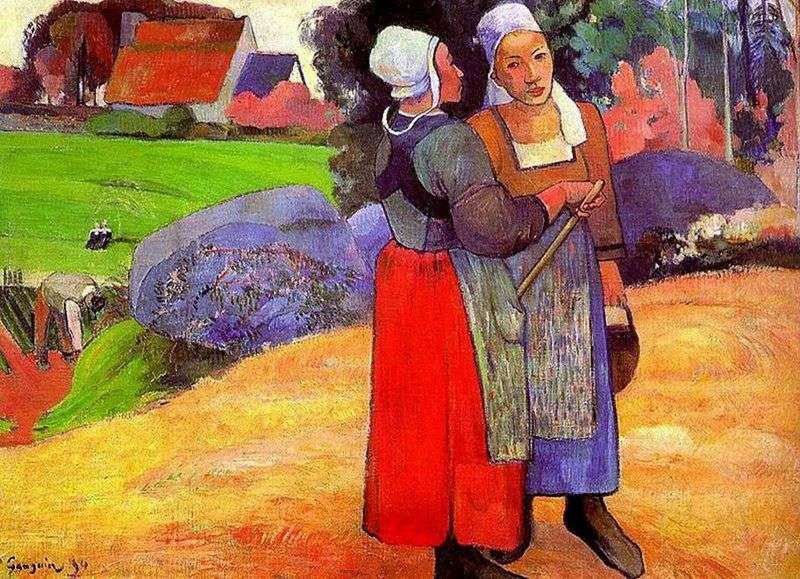
The trip to Brittany, which Paul Gauguin made in 1885, played a huge role in the formation of his own style of the artist. The French province, with its characteristic
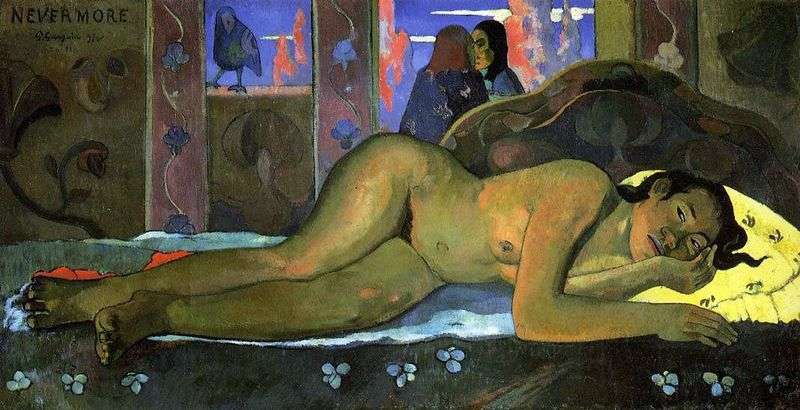
February 1897 was filled with productive work for Gauguin. Immersed in creativity on an exotic island, the painter regularly sends his completed works to the continent through the cruiser “Duge-Truen”
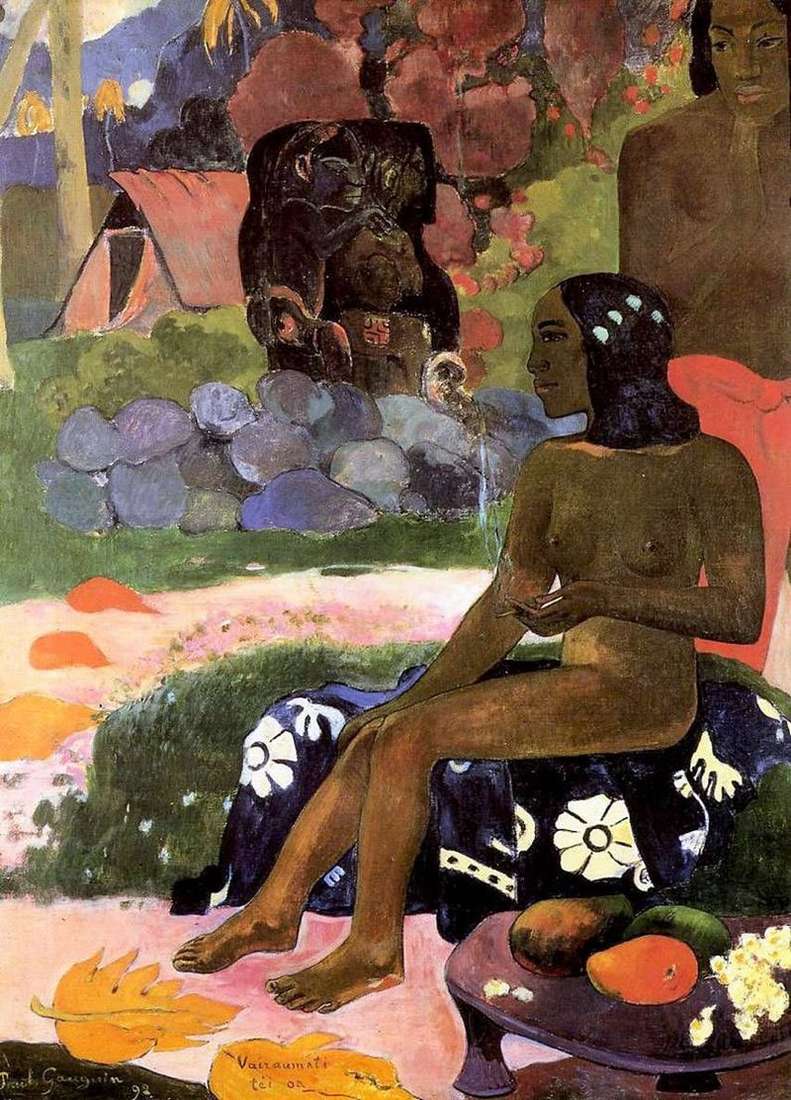
Once in Tahiti, Gauguin aspires to reflect in his works not only the beauty and curiosity of the surrounding world, but also the features of the world view and way
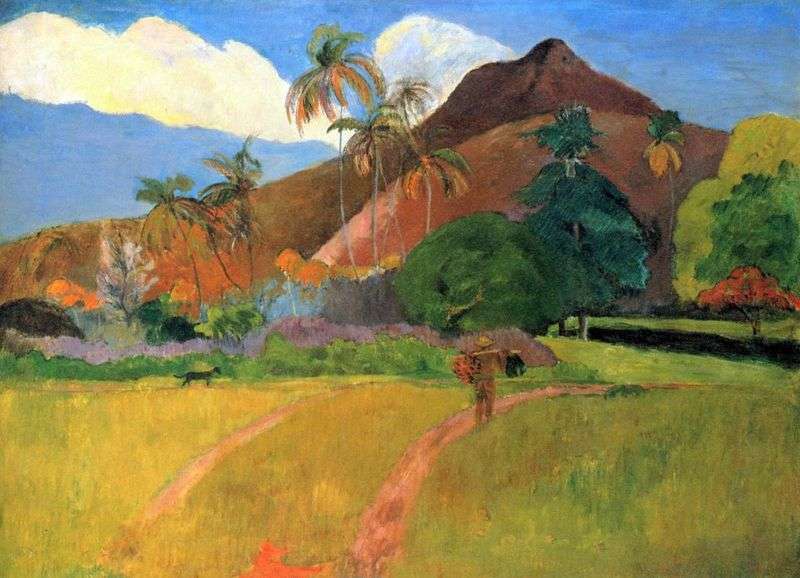
Of no small importance in the genre relation for Paul Gauguin is the landscape. The landscapes created by the artist are distinctive and unique. The landscape “Mountains in Tahiti” was
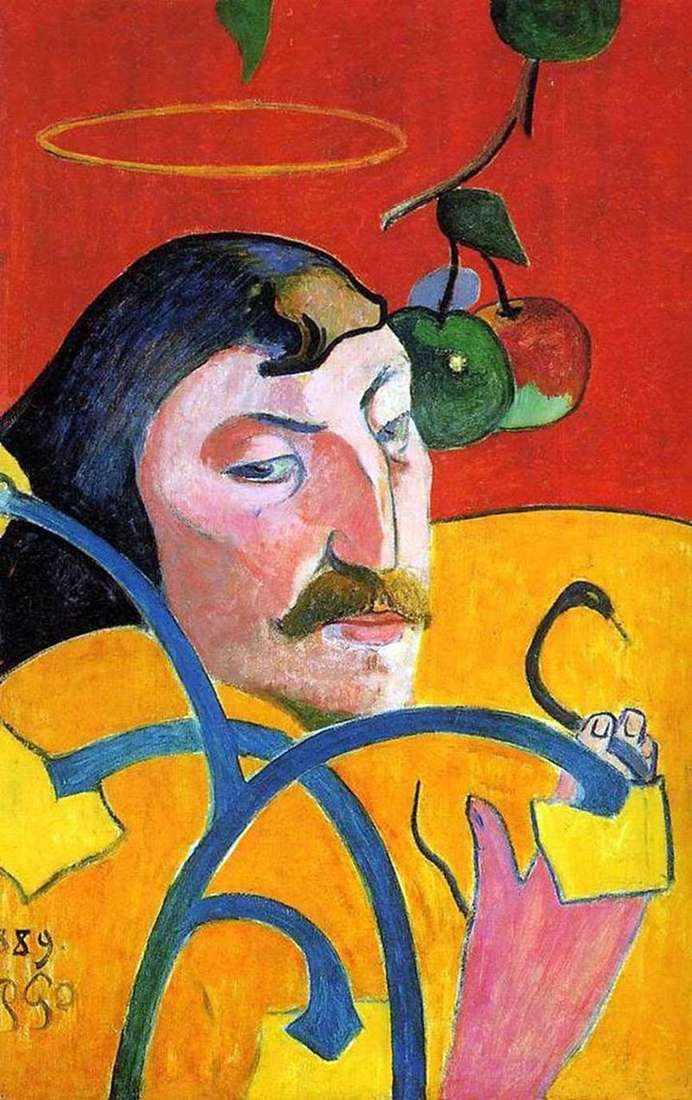
“Symbolic self-portrait with a halo” or “Self-portrait grotesque” was created by the artist in 1889 and refers to the Breton period of the artist’s work. The history of the creation
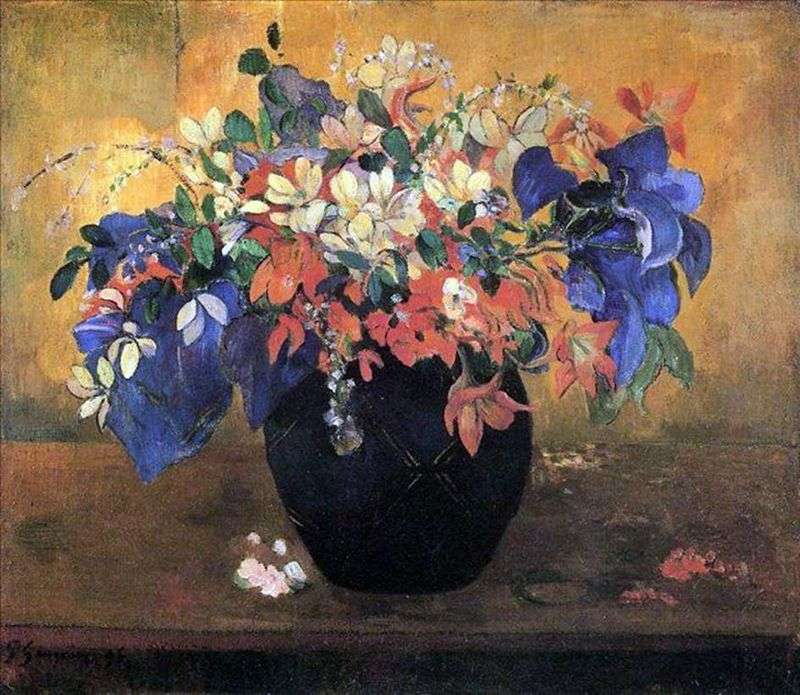
Returning to France But the life of Gauguin on Tahiti was very remote from being a paradise: to heartbreaking solitude and constant economic difficulties, the illnesses in his eyes added
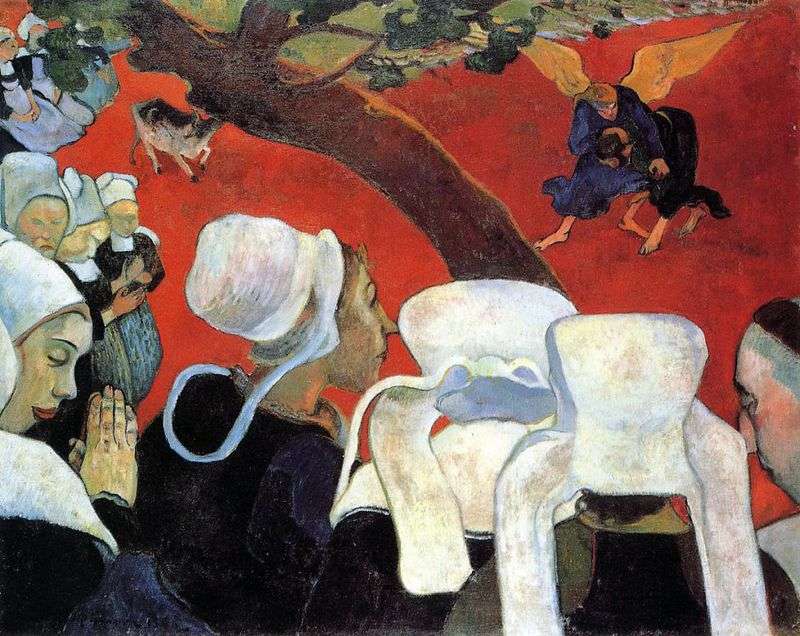
“Vision after the ceremony” – oil on canvas. Painting of the French artist Paul Gauguin, written in 1988. At the moment it is exhibited in the National Gallery of Scotland,
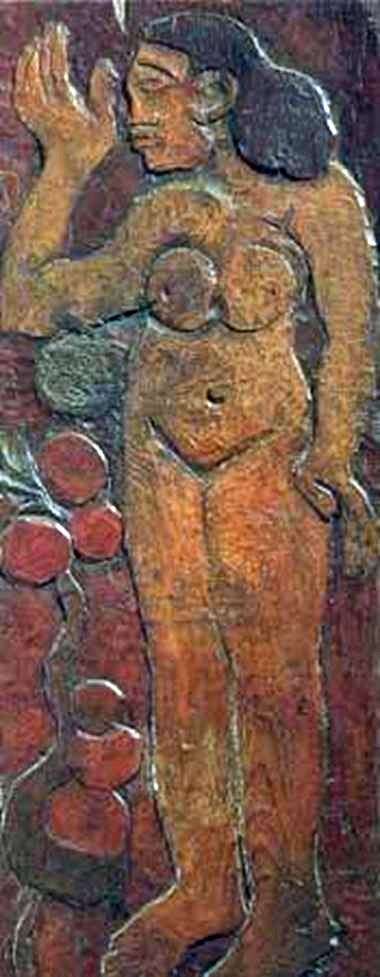
Gauguin easily changed the techniques. His early sculptures were traditional in style, but showed a high skill of the artist to work with the material. Soon the artist left the
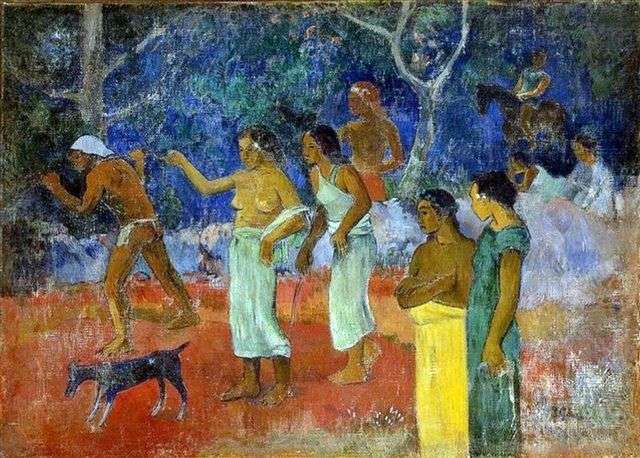
The second Tahitian period of Gauguin became very fruitful. In the author’s collection, there were many hot, life-rich and positive works – Tahitian pastors. “The Scene of Tahitian Life” is
Having spent many years in Tahiti, among the natives and even feeding heartfelt affection for the fairer sex, the French artist Paul Gauguin, of course, diligently studied not only the
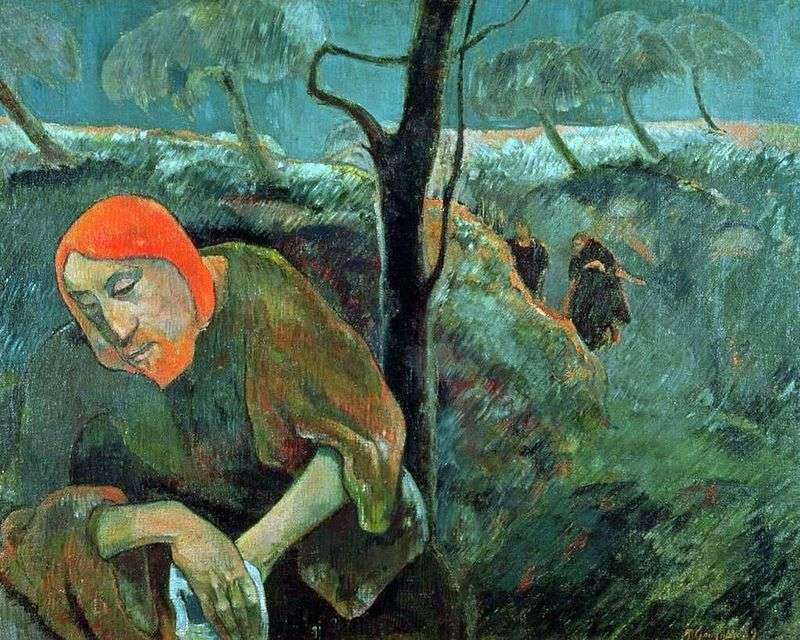
During the life of Paul Gauguin, his and his paintings were surrounded by many scandals, and one of them is related to the work “Christ in the Garden of Gethsemane”,